
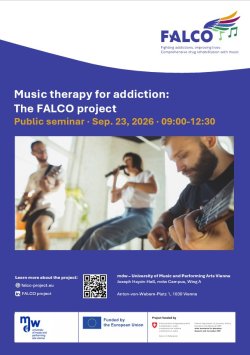
Public seminar: Music therapy for addiction - The FALCO project
Location: mdw University of Music and Performing Arts Vienna · Joseph Haydn-Hall, mdw Campus, Wing A, Anton-von-Webern-Platz 1, 1030 Vienna
Time: 9:00-12:30
The international project "Fighting Addictions, improving Lives: COmprehensive drug rehabilitation with music" (FALCO), named after a well-known Viennese musician whose music and life evolved around cocaine, alcohol, and cannabis, addresses how people can use music to overcome addiction.
In this seminar, FALCO researchers from eight European and Middle Eastern countries meet in Vienna and present their insights.
Participation is free of charge. A certificate of attendance can be issued on site upon request.
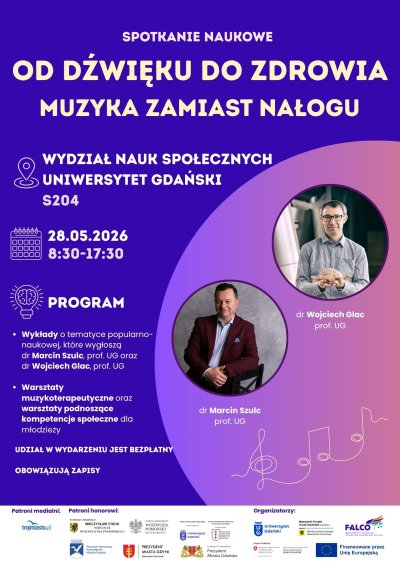
Local Popular Science Event: "From Sound to Health - Music over Addiction"
“From Sound to Health - Music over Addiction” was the theme of a unique local popular science event held on 28 May 2026 at the University of Gdańsk. The entire Polish FALCO team was involved in the organisation and was also present at the event.
The science event attracted nearly 250 participants. It was designed for secondary school students, young people currently undergoing addiction treatment or receiving support from specialist centres across the Pomeranian Voivodeship, as well as teachers and other stakeholders involved in youth well-being and prevention activities.
Organised by the Department of Clinical and Health Psychology at the University of Gdańsk and the Provincial Addiction Therapy Centre in Gdańsk, the event aimed to promote knowledge transfer between researchers, practitioners, and the broader community.
Its main objective was to demonstrate that music can serve as a powerful tool for supporting mental well-being and as an effective alternative to risky behaviours and substance use.
The popular science event was officially opened by:
dr Tadeusz Jędrzejczyk - Director of the Health Department, Marshal’s Office of the Pomeranian Voivodeship
Justyna Rozbicka-Stanisławska - Director of the Provincial Addiction Therapy Centre in Gdańsk
Prof. Radosław Kossakowski - Vice-Dean for Research and International Cooperation, Faculty of Social Sciences, University of Gdańsk
Prof. Małgorzata Lipowska - Director of the Institute of Psychology, University of Gdańsk
prof. Łucja Bieleninik - Head of the Department of Clinical and Health Psychology, University of Gdańsk
The event provided a dynamic platform for knowledge exchange and dissemination of research findings to non-specialist audiences, including students and teachers. Participants attended a series of engaging lectures aimed at making scientific knowledge accessible and relevant to real-life contexts, supporting science communication and public engagement. Prof. Marcin Szulc presented the latest evidence on the health consequences of psychoactive substance use in his lecture “Health Consequences of Alcohol and Drug Use in the Light of Current Research.” Prof. Wojciech Glac engaged participants with an accessible explanation of the neurological mechanisms through which music affects the human brain in his lecture “How Does Music Make Everything Work in the Brain?”
A key element of the event was its practical component, aimed at strengthening participants’ personal and social resources. Students took part in psychological workshops focusing on self-esteem, recognising personal strengths and competencies, building healthy relationships, and understanding emotions. They also participated in music therapy workshops, including songwriting sessions and activities based on relaxation and mindfulness techniques. These activities enabled participants to experience first-hand how evidence-based interventions can support mental health and well-being.
At the same time, teachers benefited from professional consultations led by Prof. Aleksandra Szulman-Wardal, while online consultations were provided by dr Agata Rudnik. These sessions provided teachers with expert psychological guidance and practical support for educational practice, facilitating knowledge exchange between academic experts and educational stakeholders.
The participation of Pomeranian institutions in this initiative demonstrates the region’s strong commitment to implementing innovative, evidence-based approaches to addiction prevention, treatment, and rehabilitation. The event also contributed to raising awareness among users, stakeholders, policymakers, and the general public about the role of music and psychological support in promoting mental health and preventing addiction.
The event was held under the honorary patronage of Mieczysław Struk, Marshal of the Pomeranian Voivodeship; Beata Rutkiewicz, Pomeranian Voivode; Magdalena Czarzyńska-Jachim, Mayor of the City of Sopot; Aleksandra Kosiorek, Mayor of the City of Gdynia; Aleksandra Dulkiewicz, Mayor of the City of Gdańsk; Prof. Piotr Stepnowski, Rector of the University of Gdańsk; and Prof. Michał Harciarek, Dean of the Faculty of Social Sciences, University of Gdańsk. The event also received media patronage from the Trójmiasto.pl news portal.


Psychology and Music in Practice - Fahrenheit Science Picnic 2026
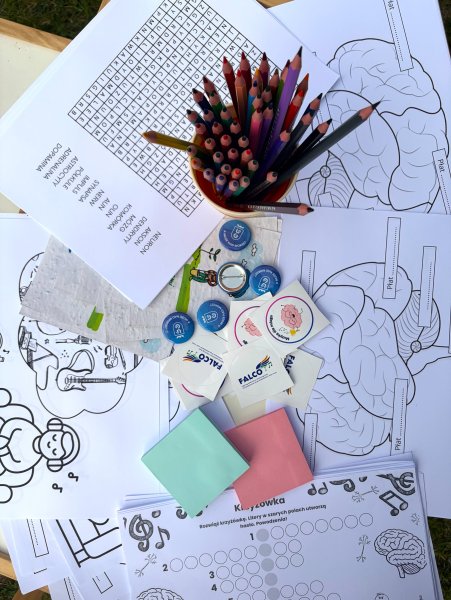
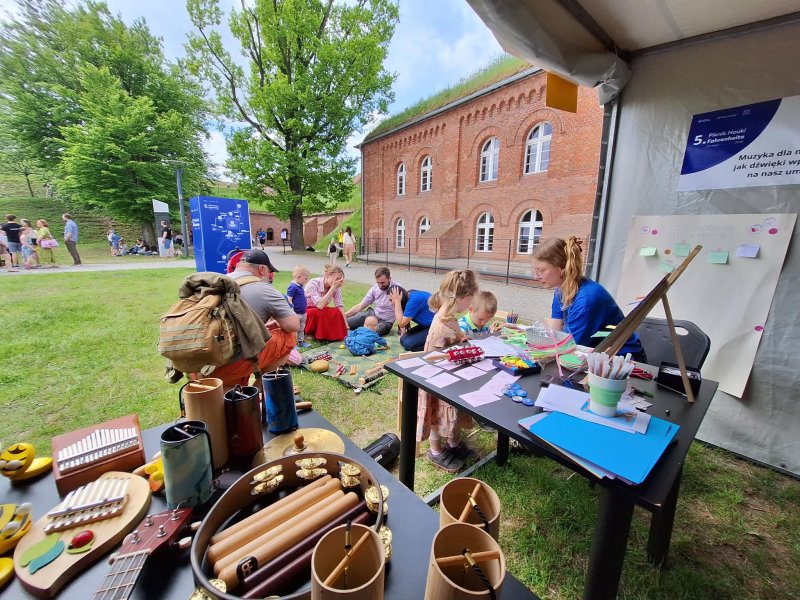
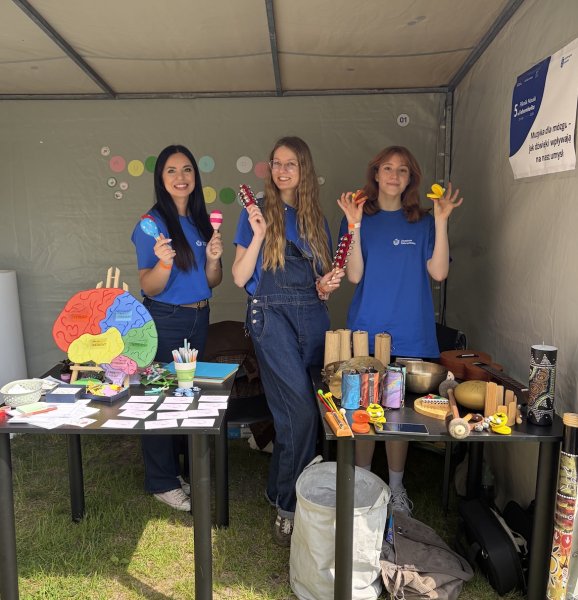
On 24 May 2026, during the Fahrenheit Science Picnic, members of the FALCO project (Daria Makurat, Kornelia Kester, and Magdalena Juszczak) prepared an interactive science communication and public engagement booth titled “Music for the Brain - How Sounds Influence Our Mind.”
The activity aimed to disseminate psychological and neuropsychological knowledge in an accessible and engaging format for non-specialist audiences. Participants had the opportunity to learn how music influences emotions, mood, and brain functioning through a series of interactive and educational activities. The booth included short music therapy demonstrations, brain-themed crosswords and memory games, as well as informal science communication elements presenting key findings on music and cognition.
Hands-on activities also attracted significant interest, including building simple neuron models and co-creating lists of activities that support well-being and positive mood. These elements facilitated active engagement with scientific content and encouraged informal knowledge exchange between researchers and the general public.
The stand proved highly popular and served as an effective platform for promoting psychological and neuropsychological knowledge in an accessible format. This year’s edition of the Fahrenheit Science Picnic attracted over 6,000 participants from Gdańsk and the surrounding region, demonstrating strong public interest in science outreach activities.
Thank you to everyone who joined us!
EU ‘Sibling Project’ meeting
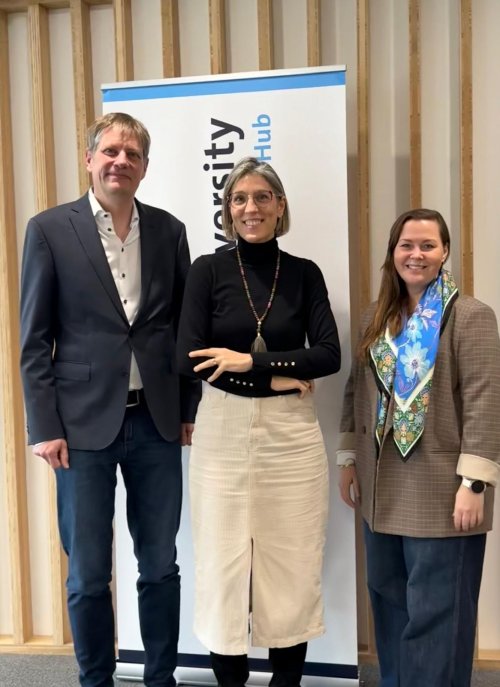
Members of the FALCO project management team engage in regular meetings with “sibling” projects, i.e. projects funded through the same call as FALCO. This time, the meeting was held as in-person event in Brussels. Topics discussed at this meeting include the lump-sum funding structure (new for both the projects and the EU), and diverse approaches to stakeholder engagement.
We are happy about this valuable opportunity for exchange of best practices and cross-learning between medical and mental health research domains.
Thank you to the organizers of this meeting, Maastricht University Brussels HUB and YOUTHreach!
In the picture below: Christian Gold (FALCO's Scientific Coordinator), Nerea Aizpurua (Project Officer at HaDEA, the European Health and Digital Executive Agency), Heidi Marie Kirkeng Meling (FALCO's Data Manager/Administrative Coordinator)
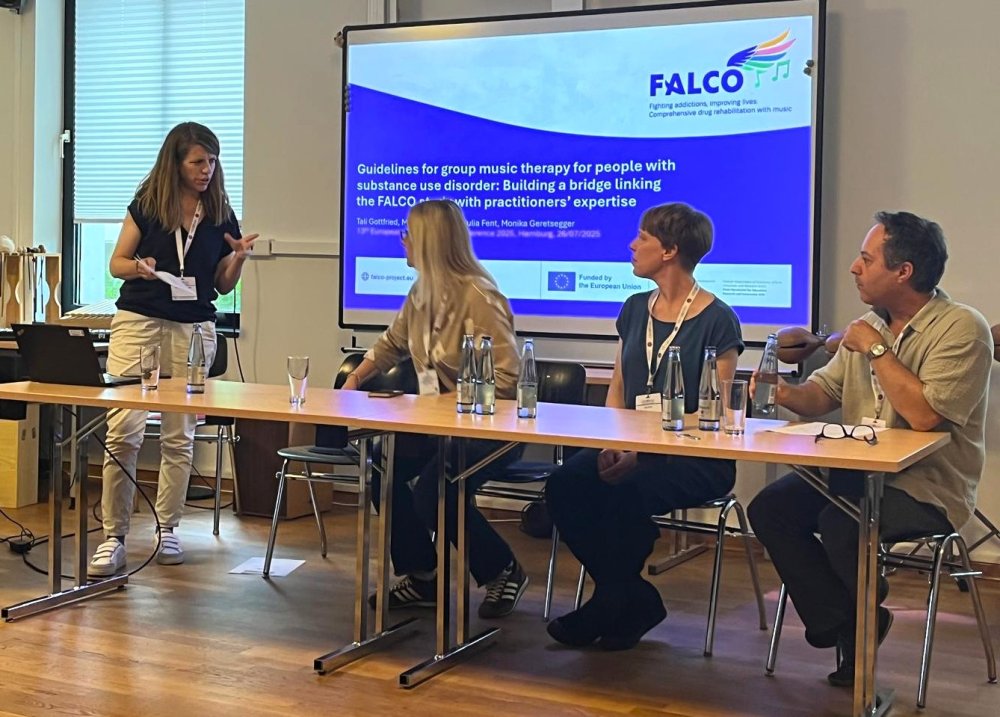
Conference presentation on intervention guidelines linking the FALCO study with practitioners' expertise
There is no international consensus on the core elements and objectives of music therapy for individuals with substance use problems. Therefore, FALCO researchers have developed therapy manuals for the FALCO study to ensure consistent implementation across locations, while allowing for individual adjustments and customization.
Based on an extensive literature review, a survey on goals, core principles and components of music therapy for people with substance use disorder was sent out to professionals experienced in the field internationally. Intervention guidelines were developed incorporating their responses in a process involving iterative rounds of feedback.
At the 13th European Music Therapy Conference, they presented intervention guidelines for active music making and music listening groups for people with substance use disorder to be applied within an international RCT study. Based on an international consensus, these specify relevant intervention elements while maintaining flexibility for cultural adaptations and individuals’ needs.
Firmly rooted in clinical practice as well as research evidence, these intervention guidelines bridge the needs of an international RCT with the expertise developed by music therapy practitioners worldwide and can be applied in and outside of the FALCO study.
The researchers Tali Gottfried (Israel), Moshe Bensimon (Israel), Julia Fent (Austria), and Monika Geretsegger (Norway) presented the paper: "Guidelines for group music therapy for people with substance use disorder: Building a bridge linking the FALCO study with practitioners’ expertise" and received good and useful feedback from the audience.
FALCO team members Lars Tuastad and Christian Gold (both from Norway) also attended the conference and the session.


Launch of the FALCO project
Music engages your brain’s reward system similarly to addictive substances. In the FALCO project we will investigate and reveal the potential of music activities in drug rehabilitation across Europe.
We aim to deliver groundbreaking music therapy innovations in the fight against Substance use disorder (SUD), a major global health issue with far-reaching impacts.
FALCO brings together world-leading experts in research in not just music therapy, but also addiction treatment, neuroscience, as well as health policy and related fields. This will provide more evidence-based recommendations for the use of music therapy in SUD across Europe.
In the EU, 1 million people are high-risk opioid users, alongside millions using other illicit substances. This carries heavy consequences like multimorbidity, mental health challenges, and preventable diseases such as hepatitis and HIV. SUD is linked to a significant portion of disability-adjusted life years lost.
By reducing the individual and societal burden of SUD and related conditions, we aim to make a positive impact on diverse populations across all ages, genders, socioeconomic, and cultural backgrounds.
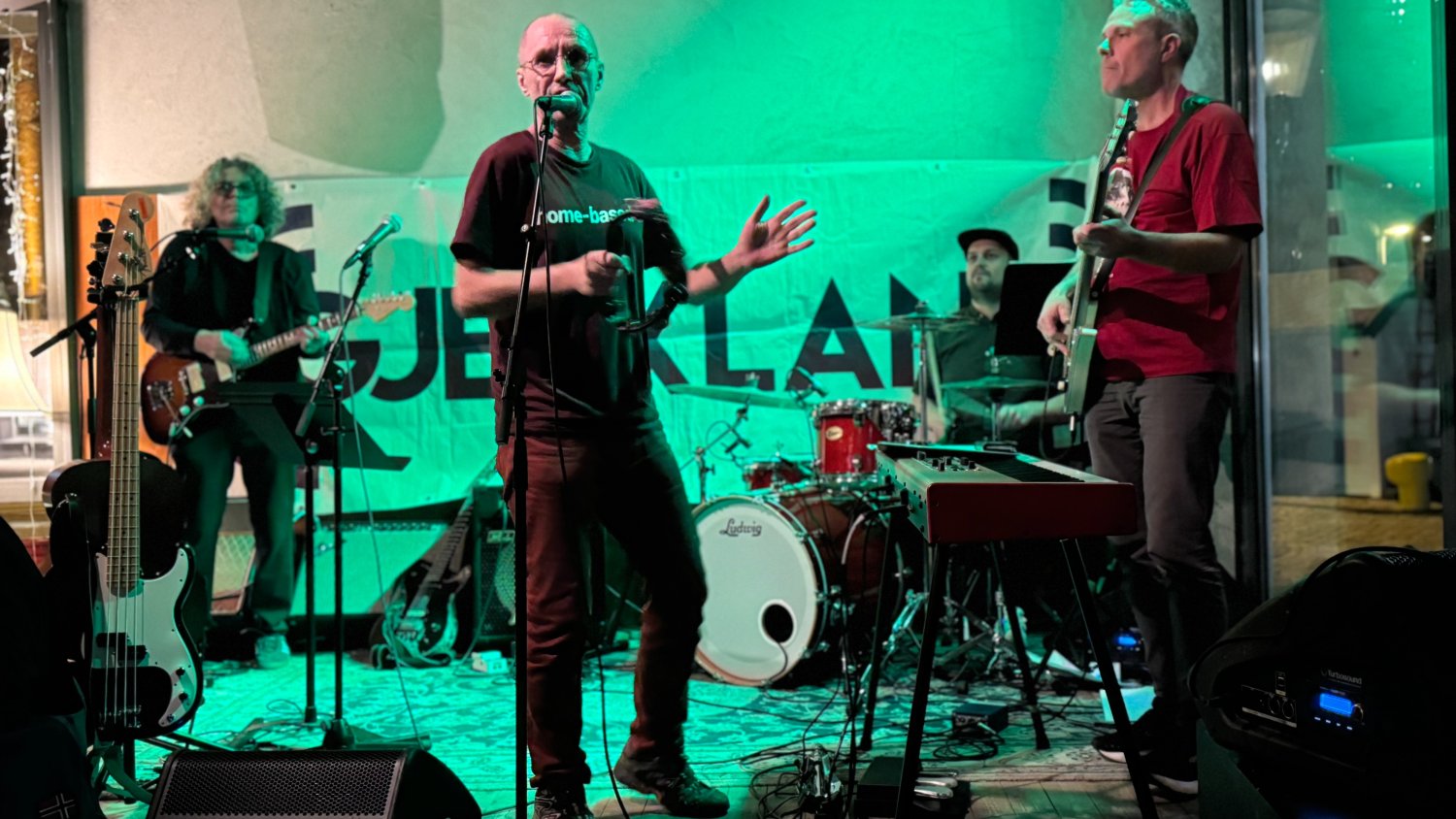
Partners from 7 countries participate in the NORCE-led project.
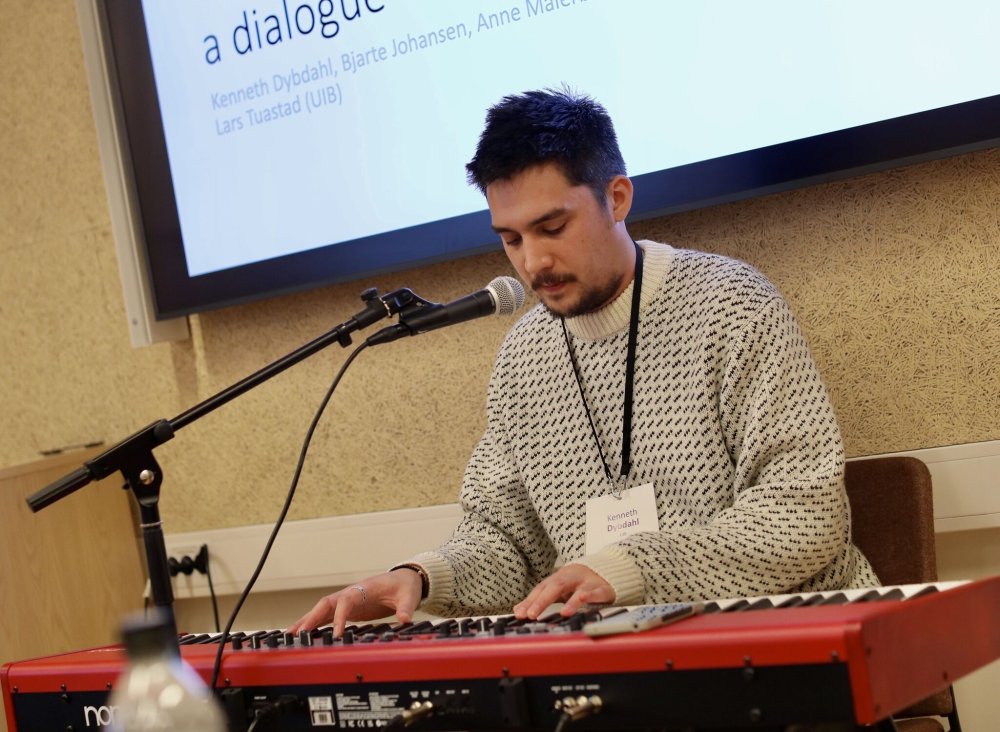
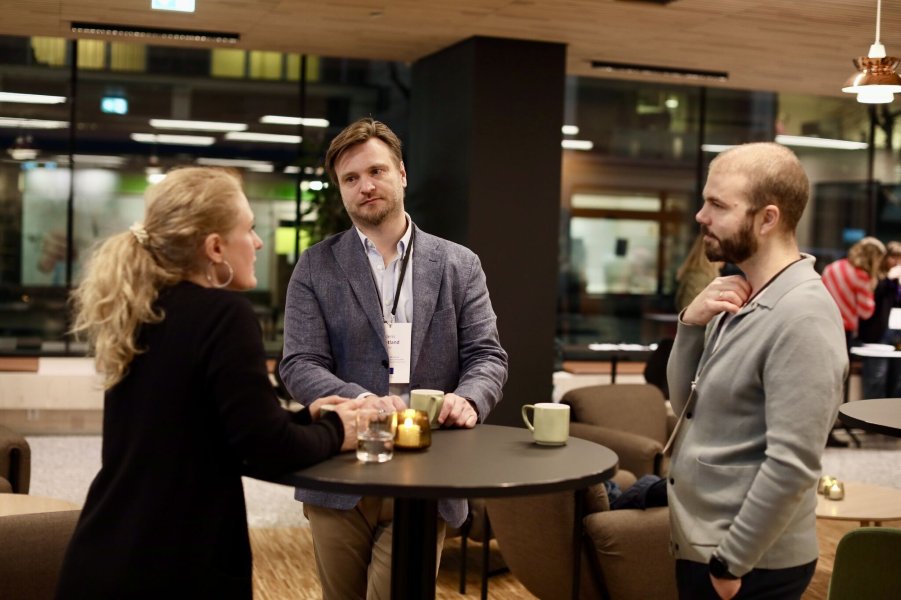
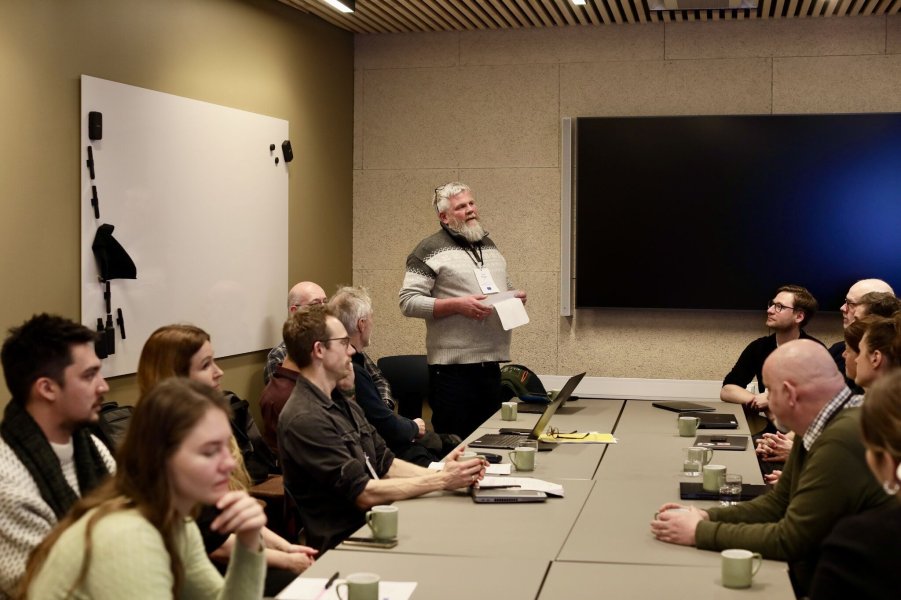
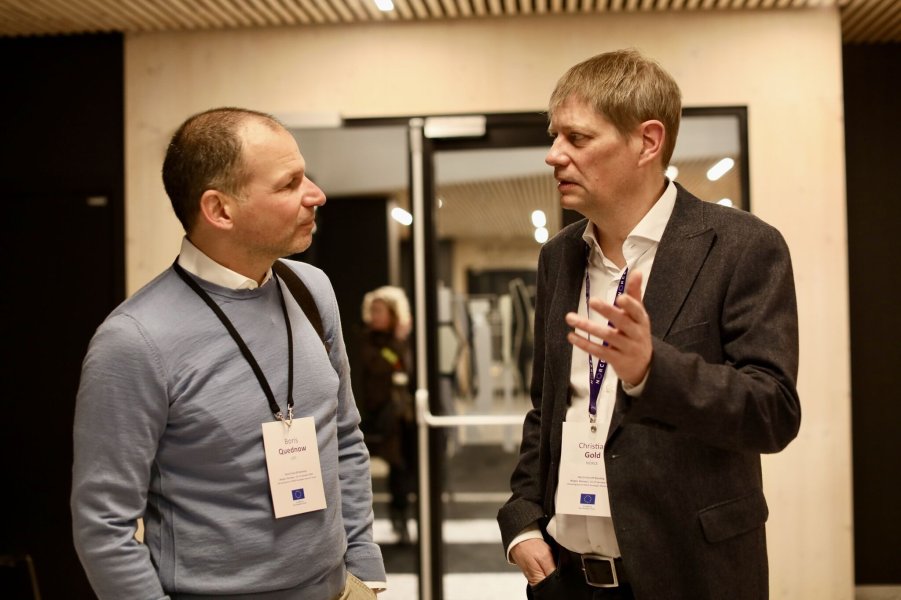
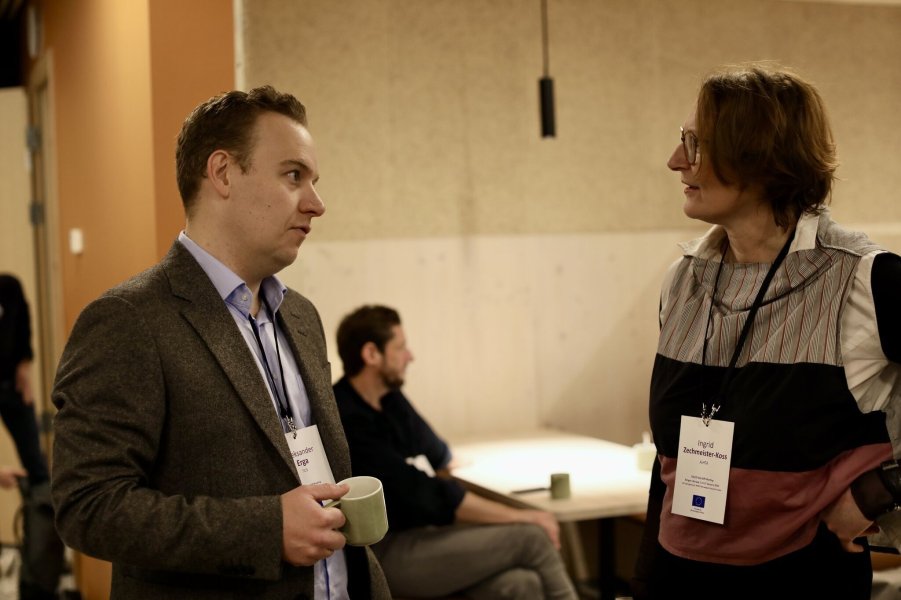
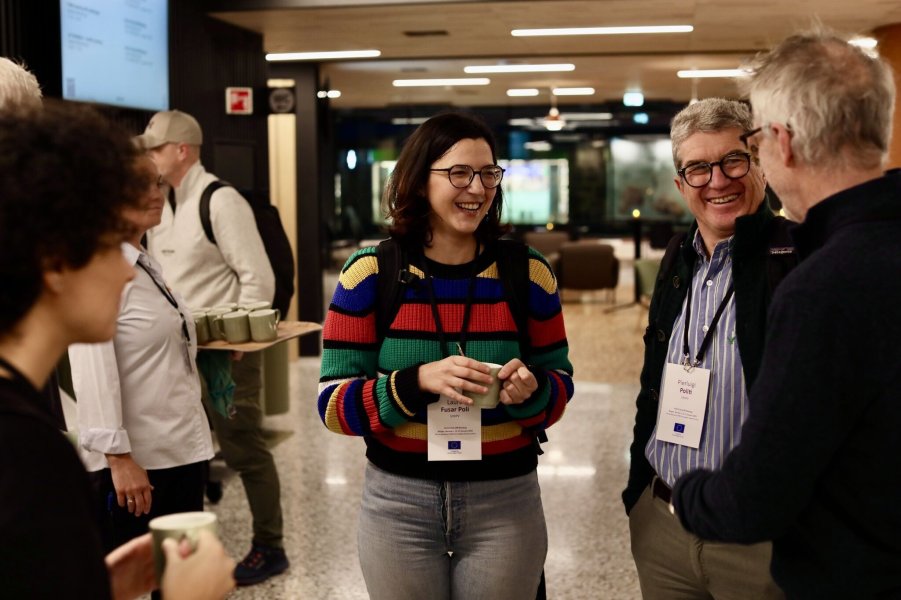
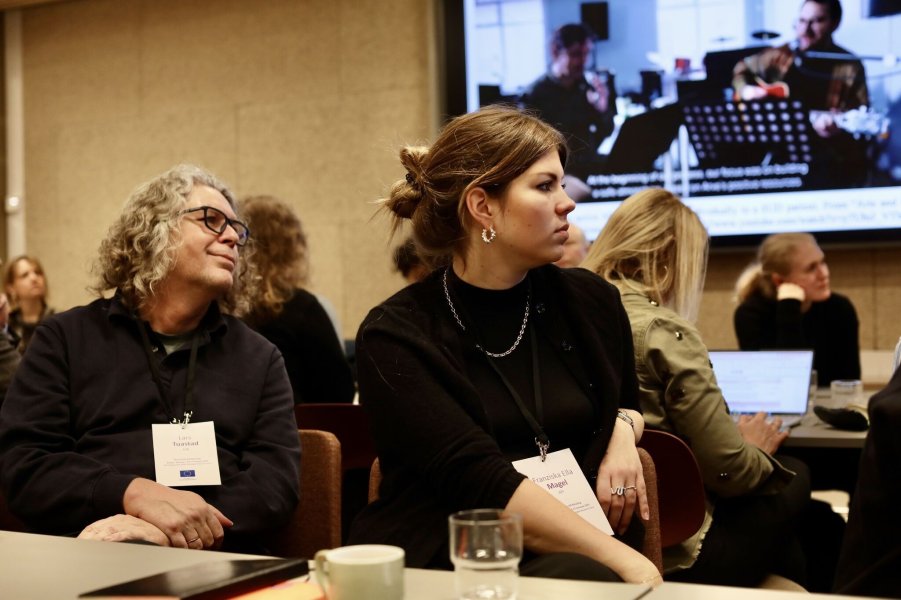
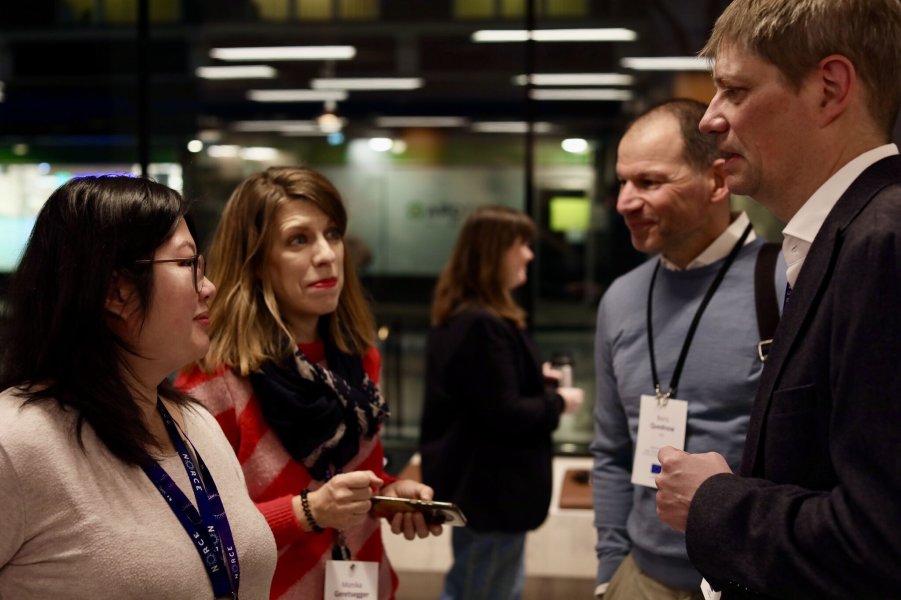
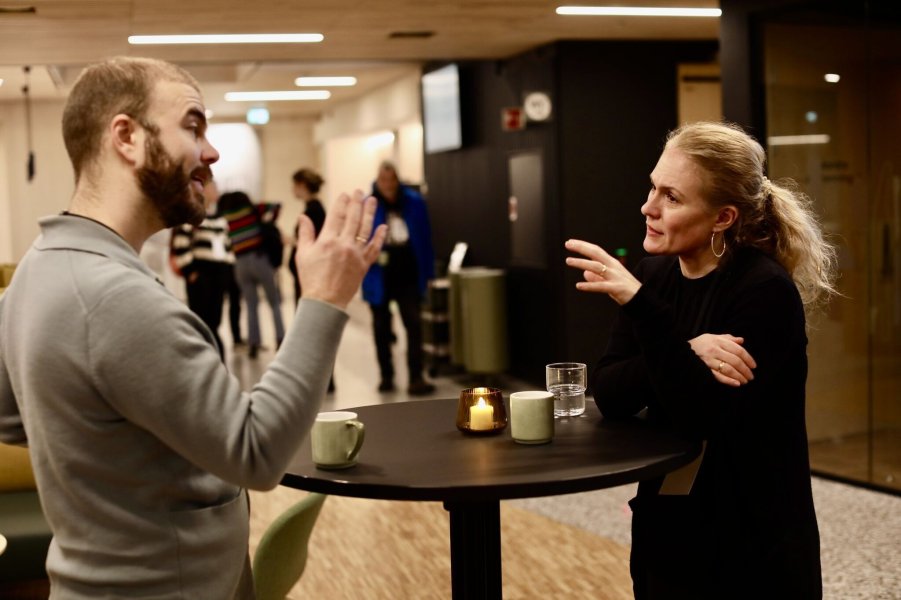
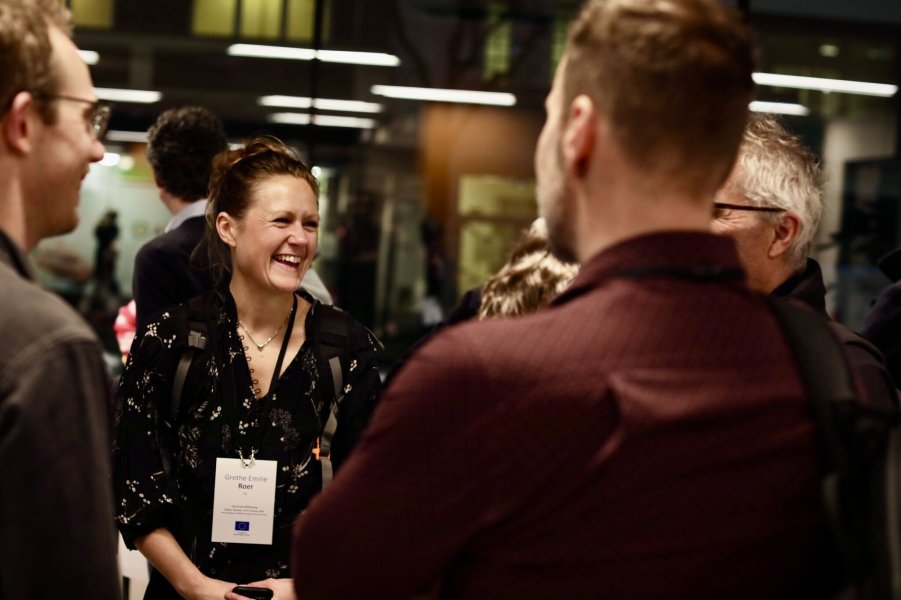
The photos are from the project's kick-off in Bergen, Norway, in January 2025, when all the partners were gathered.

but it seems like the wrong arm